Type “Brain Song” into Google and you’ll find two kinds of pages: gushing ads that promise a sharper mind in minutes, and angry posts shouting “scam.” Neither helps you decide whether to spend your money.
So let’s do this properly. This review covers what The Brain Song is, how it’s supposed to work, what the science does and doesn’t back up, the red flags worth checking, and who should (and shouldn’t) try it.

Quick Verdict (For People in a Hurry)
- Is it a scam? It’s a real digital audio product, not a fake. But some marketing around it is exaggerated, and copycat sites exist.
- Is it a “fix” for brain fog? No product can promise that. It may help some people build a calming focus routine, and results vary.
- Is it risky? It’s low-risk for most people, and it’s offered with a refund policy on the official page. Always check the current terms before you buy.
- Best for: People who want a simple, drug-free daily habit and are happy to treat it as an experiment.
What Is The Brain Song?
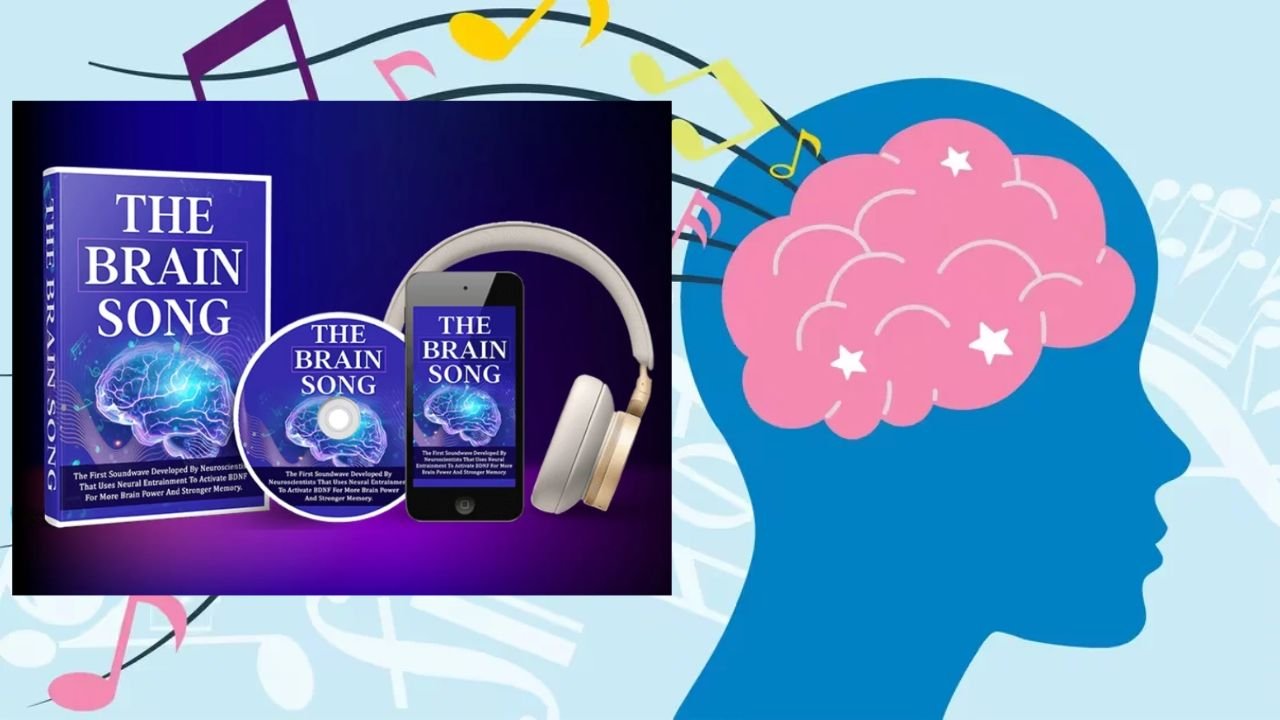
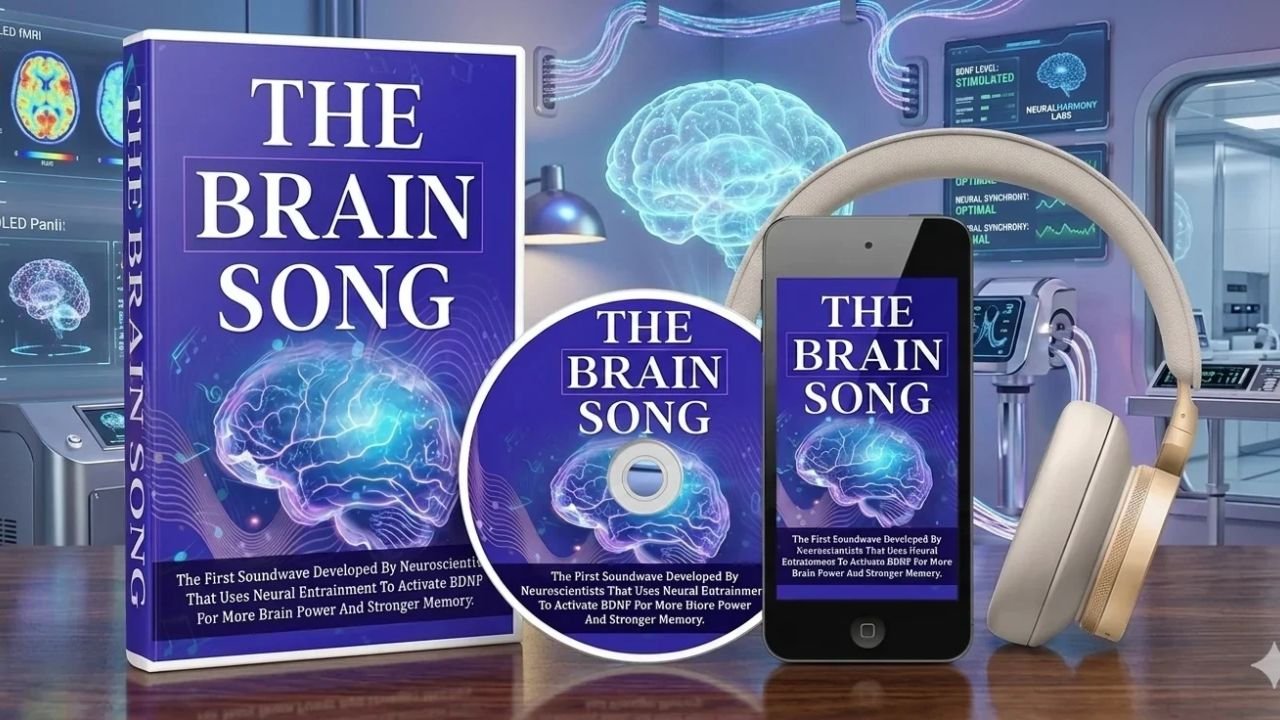
The Brain Song is a digital audio program sold online. It isn’t a supplement, pill or powder. You listen to a short track, ideally with headphones, once a day.
It’s marketed around two ideas that come up often in brain-health searches:
- Gamma brainwaves, fast brain rhythms (roughly 30 to 100 Hz) associated with focus, learning and information processing.
- BDNF, a protein nicknamed “Miracle-Gro for the brain” because it supports the growth and survival of neurons.
The program is presented as the work of Dr. James Rivers, who is also linked to a similar product called The Genius Wave. The track uses a technique called neural entrainment, which is the idea that your brain’s electrical rhythms can drift toward a steady outside beat, a bit like your foot tapping along to music.
How Is It Supposed to Work?
The marketing story goes like this:
- You put on stereo headphones and press play.
- The audio plays slightly different tones into each ear (a binaural effect).
- Your brain is said to “follow” the pattern and move toward a gamma-style state.
- With regular listening, this is claimed to support focus, memory and mental clarity.
It’s a neat story. The question is how much of it holds up.
The Science: What’s Real and What’s Hype
Here’s the fair, balanced picture.
What’s real:
- Gamma rhythms are genuinely linked to attention and memory in neuroscience research.
- BDNF genuinely matters for learning and brain health.
- Exercise, quality sleep, stress management and learning new skills are well-supported ways to support BDNF.
- Rhythmic sensory stimulation around 40 Hz is an active area of research, mostly in animal studies and small human trials.
What’s still unproven:
- Studies of binaural beats and audio entrainment for focus and memory have given mixed results. Some find small benefits, and others find none.
- There is no large, independent clinical trial showing The Brain Song specifically raises BDNF or reverses memory decline.
- Claims such as “activates your memory protein” are marketing language, not proven medical outcomes.
The takeaway: The idea is rooted in real neuroscience, but the specific product hasn’t been proven the way a medicine would be. That’s why you should treat it as a low-cost experiment and not a treatment.
Scam Check: Red Flags and Green Flags
Because “scam or real” is the question everyone asks, here’s a checklist you can apply to this and any other online health product.
Green flags
- It’s a real, deliverable digital product, so you get an actual audio file or access.
- It’s sold through an official site with a stated refund policy.
- The core concepts (gamma waves, BDNF, entrainment) are based on real research topics.
- The format is low-risk: there are no ingredients to react to and no prescription drugs involved.
Red flags to watch for
- Over-the-top promises. Anything that says it will “cure” memory loss, “reverse” aging or replace treatment should be ignored.
- Fake urgency. Countdown timers and “only 3 left” messages on a digital product are marketing tactics. A file can’t run out of stock.
- Copycat sites. Many unofficial pages, YouTube uploads and “free download” links claim to offer the real thing. These may be fake, low quality or unsafe. Buy only from the official site.
- Fake or paid reviews. Be careful with pages that only say positive things. This includes affiliate reviews like this one, which is why I’m telling you to verify everything yourself.
What Buyers Say They Notice
People who try audio programs like this commonly describe:
- Feeling calmer after a session
- Starting work with less mental clutter
- Enjoying a short ritual that replaces scrolling
- Slightly easier concentration after a couple of weeks of regular use
Some people notice nothing. Part of any benefit may simply come from the routine itself: a few quiet minutes with headphones, slow breathing and no phone is known to lower stress, and lower stress often means clearer thinking. That isn’t a flaw. If a habit helps you feel sharper, it did its job.
Pros and Cons
Pros
- Short daily time commitment
- No pills, caffeine or stimulants
- Works anywhere you have headphones
- Based on active areas of neuroscience research
- Refund policy available through the official page (check current terms)
Cons
- Marketing claims run ahead of the independent evidence
- Results are personal and not guaranteed
- Needs consistent use, not a one-off listen
- Digital only, with nothing physical to hold
- Lots of imitation sites to avoid
Who Should Try It?
It may be worth trying if you:
- Feel mentally scattered and want a gentle daily reset
- Prefer non-pill approaches
- Spend long hours at a screen
- Find silent meditation hard and want audio to guide you
- Like low-risk experiments backed by a refund policy
Who Should Skip It?
Skip it, or talk to a doctor first, if you:
- Have epilepsy or a history of seizures
- Have persistent, sudden or severe memory or concentration problems
- Are hoping it will replace medical care or medication
- Expect an overnight transformation
Brain fog can come from sleep problems, thyroid issues, anemia, depression, long-term stress and more. If it’s affecting your daily life, see a healthcare professional first.
Price and Guarantee
Pricing, bonuses and guarantee terms change from time to time, so I won’t quote numbers that may be out of date. Check the official page for the current price and the exact refund conditions before you buy, and screenshot them for your records.
How to Test It Fairly
If you decide to try it, run it like a mini experiment:
- Use headphones. Binaural-style audio needs a separate signal in each ear.
- Pick a fixed daily time. Habits stick when they’re attached to something you already do.
- Rate your focus 1 to 10 each day. Write it down for three weeks.
- Change nothing else drastically. Otherwise, you won’t know what helped.
- Support it with the basics. Sleep 7 to 9 hours, move daily, drink water and limit late-night screens. These support brain health far more reliably than any audio track alone.
- Use the refund window. If your notes show no change, ask for your money back.
Frequently Asked Questions
Is The Brain Song legit? It’s a real digital product sold through an official website. Whether it works for you is a different question, and results vary.
Does The Brain Song cure brain fog? No. Nothing promises that. It may help some people feel calmer and more focused, but persistent brain fog deserves a doctor’s attention.
How long until I notice anything? Some people report feeling calmer after the first listen. Focus changes, if they occur, are usually described after a couple of weeks of consistent use.
Is it safe? Listening to audio is generally low-risk. People with epilepsy or neurological conditions should check with a doctor first, and anyone who feels dizzy or uncomfortable should stop.
Where is the safest place to buy it? The official website only. Avoid third-party downloads, torrents and unofficial resellers.
Are there free alternatives? Yes. Regular exercise, good sleep, meditation and free focus or binaural audio on music platforms are all options. The Brain Song is a paid, packaged version of the audio-entrainment idea, so decide whether the convenience is worth it to you.
Final Verdict: Scam or Real?
The Brain Song is not a scam in the sense of a fake product that never arrives. It’s also not a miracle. It’s a real audio program built on an interesting but unproven idea, sold with strong marketing.
If you go in with realistic expectations, treat it as a three-week experiment, and use the refund policy if it doesn’t help, the downside is small. If you’re hoping for a medical-grade fix, look elsewhere and speak to your doctor.
Want to see the current offer, price and guarantee for yourself? Check the official page here: The Brain Song